
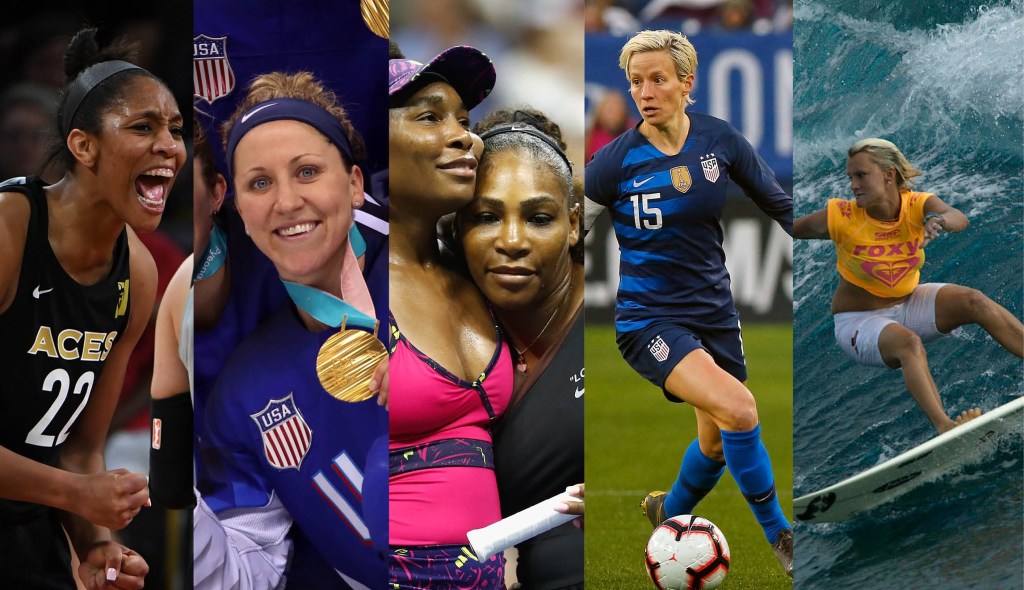
On the 8th March every year, the world recognises the achievements of all women and is a focal point in the history of the women’s rights movement.
The day’s history goes back to the start of the 20th century, where the Socialist Party of America organised a ‘Women’s Day’ on February 28th 1909. After women gained suffrage in Soviet Russia in 1917, March 8th became a national holiday there.
It wasn’t until 1967 that the day was adapted by feminist movements and it was then in 1977 that the United Nations began celebrating the day.
Ultimately, the day exists to recognise and celebrate how far women have come in society, politics and economics. However, it also used to highlight the inequality that does still exist.
What role does sport play in International Women’s Day? Well, again it is for the same reason that the day exists in the first place, to recognise the achievements women have made.
Many will argue it is also the day used to try and tackle the stigmas that face women’s sport, as well as, changing the perception some people may still have. In the aftermath of the pandemic, the message of the day has never been more relevant.
All people in sport will train potentially their whole lives to achieve their goals and succeed and so today, we take time to recognise women everywhere.
Serena Williams: winner of 23 tennis grand slams.

Megan Rapinoe: World Cup winner and named best female footballer in the world in 2019.

Jessica Ennis-Hill: Olympic gold-medallist heptathlete.

Amanda Nunes: two-weight UFC world champion of the world.

A campaign launched in Australia in 2018 to get more girls and women involved in cricket used the importance of today to highlight how, ‘When equality exists in sport, gender parity is more likely to prevail in communities overall. When women are recognised and treated as equals in sport – both on and off the field – this momentum fuels wider change’.
The campaign was excellent in highlighting how not just in cricket, and not just in Australia, calls for women to get involved in more and more support will only boost the standing of women’s sport.
The idea behind the campaign was to inspire and so the website also included a few motivational videos such as:
This is just one example of how International Women’s Day has been effectively and appropriately celebrated and used to promote women’s sports and encourage young girls to fall in love with sport like so many of us are.

 Ben Evans Portfolio